

Living on the water is a dream, but it comes with a unique responsibility: protecting your property from the very element that makes it so desirable. The constant motion of water, from gentle lapping to powerful storm surges, can relentlessly eat away at your shoreline. This is where a crucial, yet often overlooked, structure comes into play.
Your first and most important line of defense is a seawall. Understanding what is a sea wall and its function is the first step toward securing your valuable waterfront investment for generations to come. This guide will walk you through everything you need to know about these vital waterfront protection systems.
Defining the Sea Wall: More Than Just a Barrier
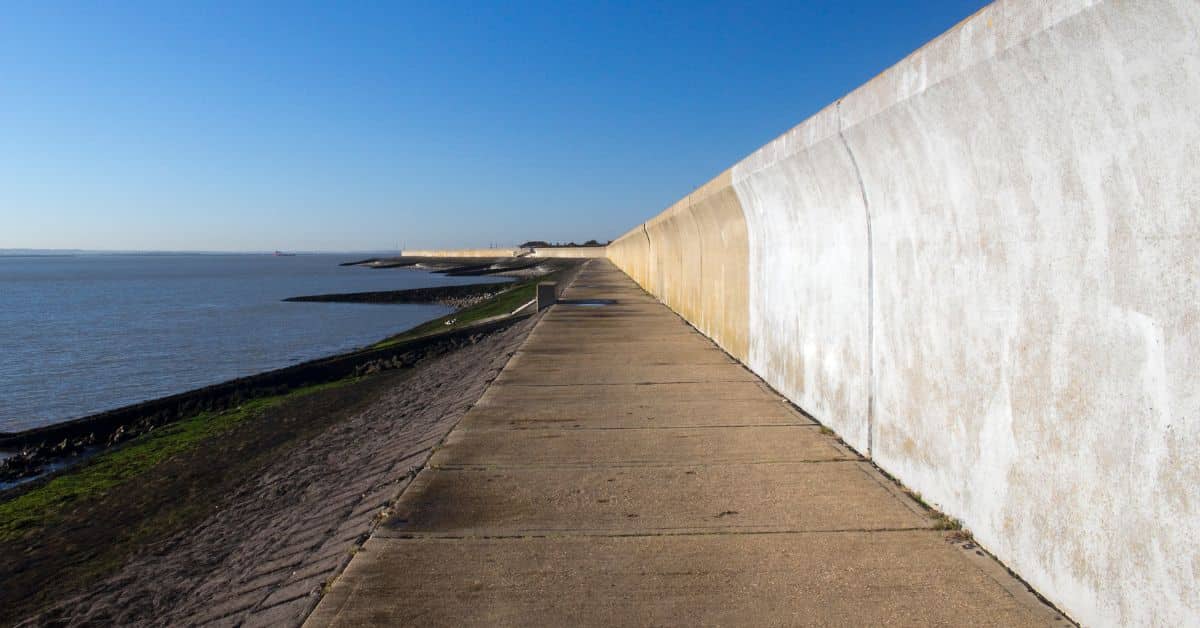
At its core, a sea wall is a retaining wall or barrier specifically engineered and built along a shoreline. Its primary purpose is to prevent land erosion and protect coastal structures from the force of waves and water currents. It stands as a rigid guard between the land and the water.
While often used interchangeably, it’s important to distinguish a seawall from a bulkhead or a revetment. A seawall is designed to withstand direct, powerful wave action, while a bulkhead typically retains soil and is used in calmer waters. A revetment, on the other hand, is a sloped structure that absorbs wave energy rather than reflecting it.
For true shoreline stabilization against open water, a properly designed seawall is the superior solution for long-term protection.
The Critical Role in Coastal Property Protection
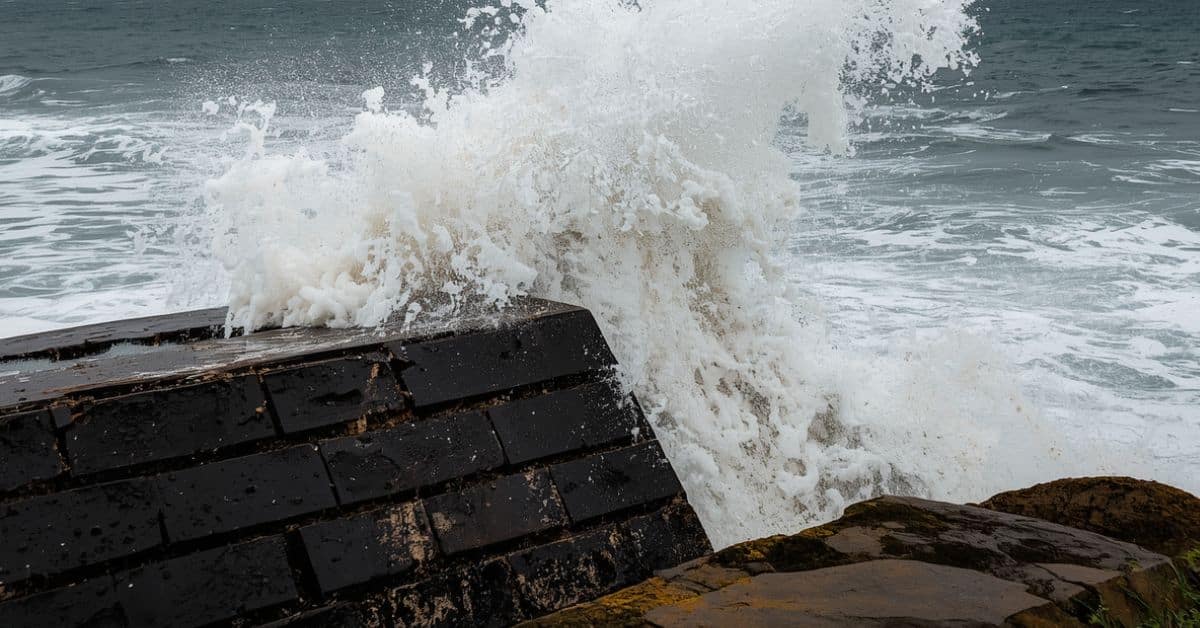
Why does a seawall matter so much? Its importance extends far beyond simply holding back water. A professionally installed seawall is a fundamental component of coastal property protection, offering a range of essential benefits.
- Prevents Land Loss: The most obvious benefit is stopping erosion. A seawall physically blocks the forces that wash away your valuable land, preserving your property lines and usable space.
- Secures Foundations: For homes and buildings situated near the water, soil erosion can undermine their foundations, leading to catastrophic structural failure. A seawall ensures the ground supporting your property remains stable and secure.
- Defends Against Storm Surges: During hurricanes and severe storms, a seawall acts as a critical barrier, deflecting powerful waves and mitigating flood damage from rising water levels.
- Increases Property Value: A well-maintained, modern seawall is a significant asset. It provides peace of mind to potential buyers and signals that the property is well-protected, often increasing its market value.
Types of Seawalls: Choosing the Right Material for Your Shoreline
The effectiveness of a seawall depends heavily on its design and the materials used. The right choice varies based on water conditions, soil type, and budget. Understanding the options is key to successful seawall construction.
Concrete Seawalls
These are poured-in-place or precast panel walls known for their strength and longevity. They offer a formidable defense but require expert installation to prevent cracking and long-term undermining.
Vinyl Sheet Pile Seawalls
A popular modern option, vinyl is lightweight, durable, and highly resistant to corrosion and marine borers. Its long lifespan (often 50+ years) makes it an excellent long-term investment for many residential properties.
Steel Sheet Pile Seawalls
For heavy-duty commercial applications or deep-water areas, steel provides unmatched strength. While incredibly strong, it requires protective coatings to prevent rust and corrosion in saltwater environments.
Wood and Timber Seawalls
Offering a classic, natural aesthetic, wood seawalls are a traditional choice. However, they have a shorter lifespan than modern materials and are susceptible to rot and marine organisms if not properly treated.
The Seawall Construction Process: A Step-by-Step Overview
Building an erosion control seawall is a complex task that demands precision and expertise from qualified marine construction services. While specifics vary, the process generally follows several key stages.
- Site Assessment and Engineering: Professionals evaluate your shoreline, soil conditions, and water dynamics. An engineer then designs a site-specific plan, which is crucial for obtaining the necessary local and federal permits.
- Material Selection: Based on the engineering plan and your needs, the appropriate materials (e.g., vinyl sheets, concrete panels, steel piles) are chosen and delivered to the site.
- Installation: This is the core of the project. It involves driving piles deep into the ground, setting the wall panels, and installing a deadman anchoring system with tie-backs to secure the wall against the pressure of the earth it’s retaining.
- Backfilling and Grading: Once the wall is secure, the area behind it is filled with suitable soil or gravel and graded to ensure proper drainage and a stable landscape.
- Cap and Finish: A concrete or composite cap is typically installed along the top of the wall. This adds structural integrity, creates a clean finished look, and can serve as the foundation for a walkway or patio.
Integrated Waterfront Protection: Dock and Seawall Solutions
Your waterfront is an ecosystem of structures. A seawall doesn’t exist in isolation; it works in concert with your dock, boat lift, and deck. The most effective waterfront protection systems are those that are designed to be fully integrated.
A stable shoreline, provided by a robust seawall, is the essential foundation for a safe and long-lasting dock. Attempting to build a dock on an eroding shoreline is a recipe for disaster. This is why it’s highly beneficial to work with a contractor who specializes in comprehensive dock and seawall solutions.
By planning these structures together, you ensure they complement each other, share a cohesive design, and are built to last as a unified system.
Finding the Right Partner: What to Look for in Seawall Installation Services
Choosing the right company for your seawall installation services is the most important decision you’ll make. The quality of the installation directly determines the lifespan and effectiveness of your investment.

Look for a contractor with these key qualifications:
- Proven Experience: Ask for a portfolio of completed projects in your area. An experienced contractor understands local conditions and challenges.
- Proper Licensing and Insurance: This is non-negotiable. It protects you from liability and ensures the company adheres to professional standards.
- Expertise in Permitting: Navigating the permitting process can be daunting. A good contractor will handle this for you, ensuring your project is fully compliant with all regulations.
- Material Knowledge: They should be able to explain the pros and cons of each material and recommend the best fit for your specific property, not just the one they prefer to sell.
- Comprehensive Services: Reputable firms, often known as the deck masters or marine construction experts of their region, will offer a full suite of services, from design and engineering to complete dock and seawall solutions.
Conclusion: An Investment in Your Property’s Future
A sea wall is far more than a simple barrier; it is a fundamental investment in the longevity, safety, and value of your waterfront property. It is the definitive solution for shoreline stabilization and the most reliable defense against the persistent forces of nature.
By understanding what a sea wall is and partnering with expert marine construction services, you can ensure your piece of paradise is protected. Don’t wait for erosion to become a crisis. Take proactive steps today to secure your shoreline for tomorrow.

Leave a Reply
Want to join the discussion?Feel free to contribute!